Hi, my name is Marie-Soleil Gagnon. I live in Rosemere. I have been at Ahuntsic College for almost a year. Next year I will soon be studying in the Diagnostic Imaging Program. My field of study will be human biology. The glossary that I have made could be useful for the students already studying in human biology and also for the new students in this field of study. Each word in this glossary is related to the basic notions of human biology and each of them is part of the vocabulary commonly used in this field. Moreover, there will be words related to different possible establishment to work in struggles as well as machines used in Diagnostic Imaging. By learning the meaning of the words that are in this glossary, you could learn a lot of different terms that are used to this field.
ankle
noun
The ankles is the area where the foot and the leg meet.
Example: Most decisions on treatment for ANKLE fractures are based on the radiological examination. The patient should be advised not to weight bear on the ANKLE until definitive treatment is initiated.
en: Cheville
axial computed tomography machine (scan)
noun
A CT scan or computed tomography scan (formerly known as computed axial tomography or CAT scan) is a medical imaging technique used in radiology to obtain detailed internal images of the body noninvasively for diagnostic purposes. The personnel that perform CT scans are called radiographers or radiology technologists.
en: Un appareil de tomodensitométrie axiale (scan)
bone densitometry machine
noun
A bone density test is used mainly to diagnose osteopenia and osteoporosis . It is also used to determine your future fracture risk. The testing procedure typically measures the bone density of the bones of the spine, lower arm, and hip.
en: appareil de densitométrie osseuse
cerebellum
noun
The portion of the brain in the back of the head between the cerebrum and the brain stem. The cerebellum controls balance for walking and standing, and other complex motor functions.
Example: Cognitive and motor developments occurring are closely interrelated with the CEREBELLUM and the pre-frontal cortex working together
en: cervelet
esophagus
noun
The esophagus is the muscular tube that carries food and liquids from your mouth to the stomach. You may not be aware of your esophagus until you swallow something too large, too hot, or too cold. You may also notice it when something is wrong. You may feel pain or have trouble swallowing.
en: Oesophage
femur
noun
The femur constitutes the skeleton of the thigh where it is located in the central part. This bilateral long bone consists of three parts, the diaphysis and the two distal and proximal epiphyses.
Example: Other indications include neurovascular injuries requiring repair, failure to obtain anatomic alignment, and occasionally, open fractures of the FEMUR and tibia .
en: Fémur
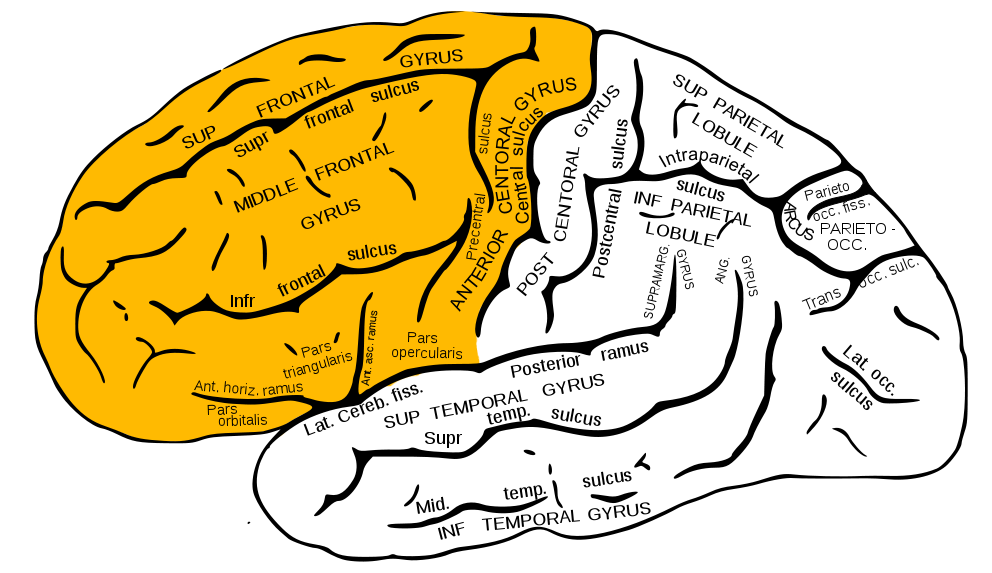
frontal lobe
noun
The frontal lobe is the most anterior (front) part of the brain. It extends from the area behind the forehead back to the precentral gyrus. As a whole, the frontal lobe is responsible for higher cognitive functions such as memory, emotions, impulse control, problem solving, social interaction, and motor function.
Example: Upon the death of the patient an autopsy showed a severe lesion to the FRONTAL LOBE of the brain.
en: lobe frontal
heart
noun
The heart is a muscular organ in most animals, which pumps blood through the blood vessels of the circulatory system.
Example: However, when it reaches the point of severe hypoxia, it induces metabolic depression, it shuts down its neuronal activity to the maximum, slows down its HEART beat, breathing and relaxes arteries to make the pumping of blood to the brain much easier
en: Coeur
hospital center
noun
It's an institution where the sick or injured are given medical or surgical care —usually used in British English without an article after a preposition.
Example: By contrast, in this folk memory, the HOSPITAL was the hospice, the infirmary, the place to which the dying were sent. I always suspect that the proverbial gratitude which patients express to HOSPITAL staff is really gratitude for having got out alive!
en: Centre Hospitalier
liver
noun
The liver is the largest solid organ in the body. It removes toxins from the body's blood supply, maintains healthy blood sugar levels, regulates blood clotting, and performs hundreds of other vital functions. It is located beneath the rib cage in the right upper abdomen.
Example: The LIVER responds more effectively to glucagons, a polypeptide hormone secreted by the ά cells of the pancreas when the blood-glucose level is low.
en: Foie
local community service center
noun
CLSCs provide health care services and social services on site as well as at schools, workplaces and in the home.
en: Centre local de services communautaires
lungs
noun
The lungs are a pair of breathing organs located with the chest which remove carbon dioxide from and bring oxygen to the blood. There is a right and left lung.
Example: A possible explanation for your symptoms of chest pain and breathlessness is a clot originating in your legs (a DVT) which has travelled over a period of time to your LUNGS - a pulmonary embolus.
en: Poumons
mammography machine
noun
Mammograms are done with a machine designed to look only at breast tissue. The machine takes x-rays at lower doses than the x-rays done to look at other parts of the body, like the lungs or bones. The mammogram machine has 2 plates that compress or flatten the breast to spread the tissue apart.
en: Un appareil de mammographie
MRI machine
noun
Magnetic resonance imaging (MRI) is a medical imaging technique that uses a magnetic field and computer-generated radio waves to create detailed images of the organs and tissues in your body. Most MRI machines are large, tube-shaped magnets.
en: appareil IRM
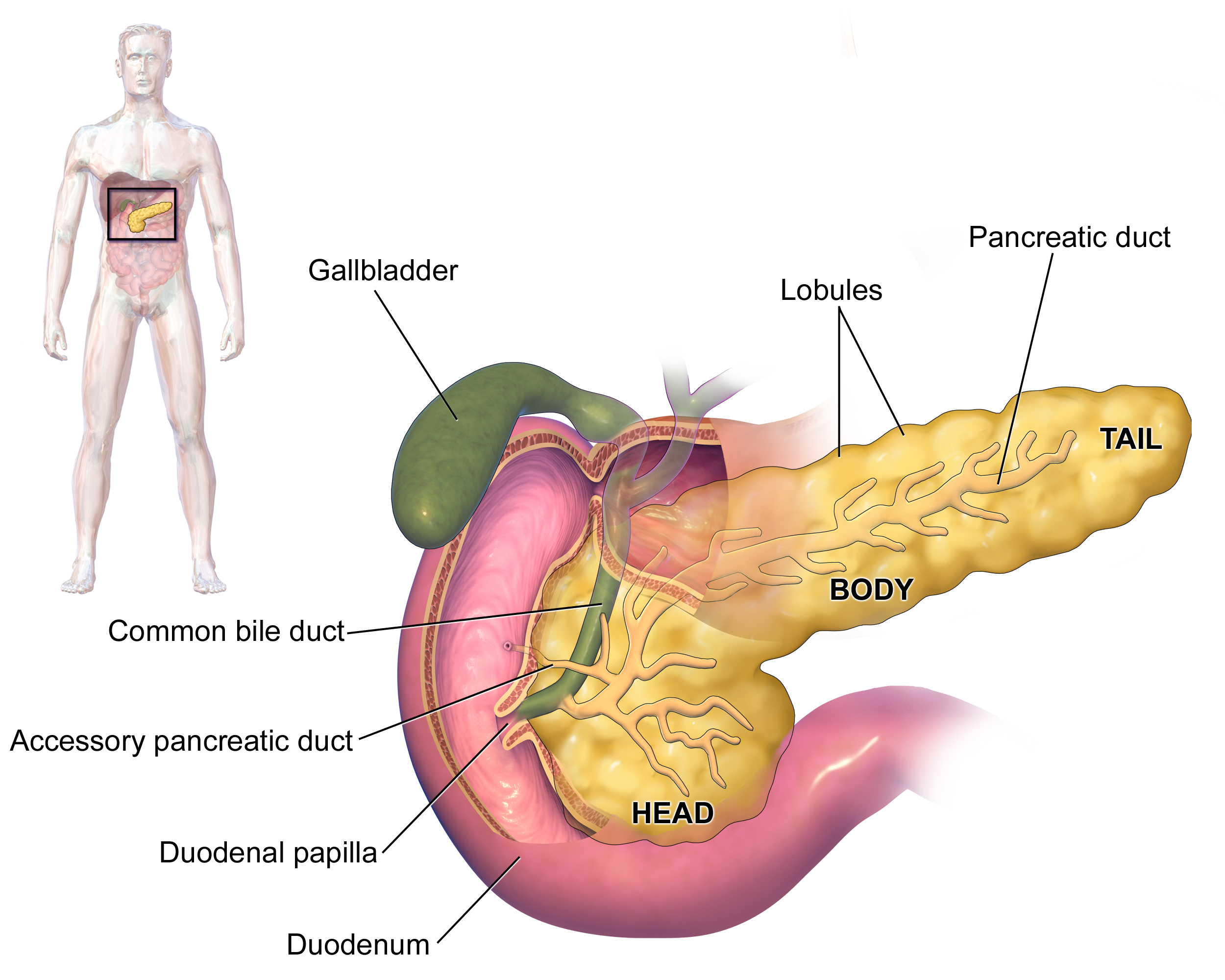
pancreas
noun
A glandular organ located in the abdomen. It makes pancreatic juices, which contain enzymes that aid in digestion, and it produces several hormones, including insulin. The pancreas is surrounded by the stomach, intestines, and other organs.
Example: In the Islets of Langerhans, located in the PANCREAS, humans have two types of cells that are instrumental in the delivery of the energy needed to the body's cells in the form of glucose: alpha and beta cells.
en: Pancréas
pharynx
noun
The hollow tube inside the neck that starts behind the nose and ends at the top of the trachea (windpipe) and esophagus (the tube that goes to the stomach). The pharynx is about 5 inches long, depending on body size. Also called throat.
Example: The PHARYNX is a muscular organ used for feeding, with its anterior cells descending from ABa and those posterior from EMS.
en: Pharynx
Private clinics
noun
private clinic means any health clinic where private practice is carried out.
en: Cliniques privées
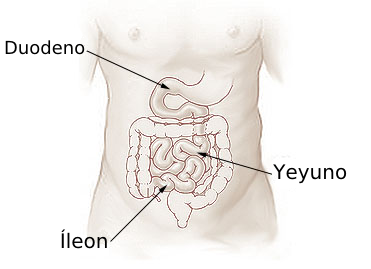
small intestine
noun
A small intestine is a long tube-like organ that connects the stomach and the large intestine. It is about 20 feet long and folds many times to fit inside the abdomen.
Example: Other causes of small bowel obstruction include; malignancy (very rare in SMALL INTESTINE and stated that there had been no weight loss), intersussception (common in children <4 yrs), volvulus and impacted faeces.
en: Intestin grêle
thorax
noun
he thorax is the region between the abdomen inferiorly and the root of the neck superiorly. [1][2] It forms from the thoracic wall, its superficial structures (breast, muscles, and skin) and the thoracic cavity.
Example: Examination of the chest revealed a transverse scar on the midline of the THORAX compatible with the surgery described.
en: Thorax
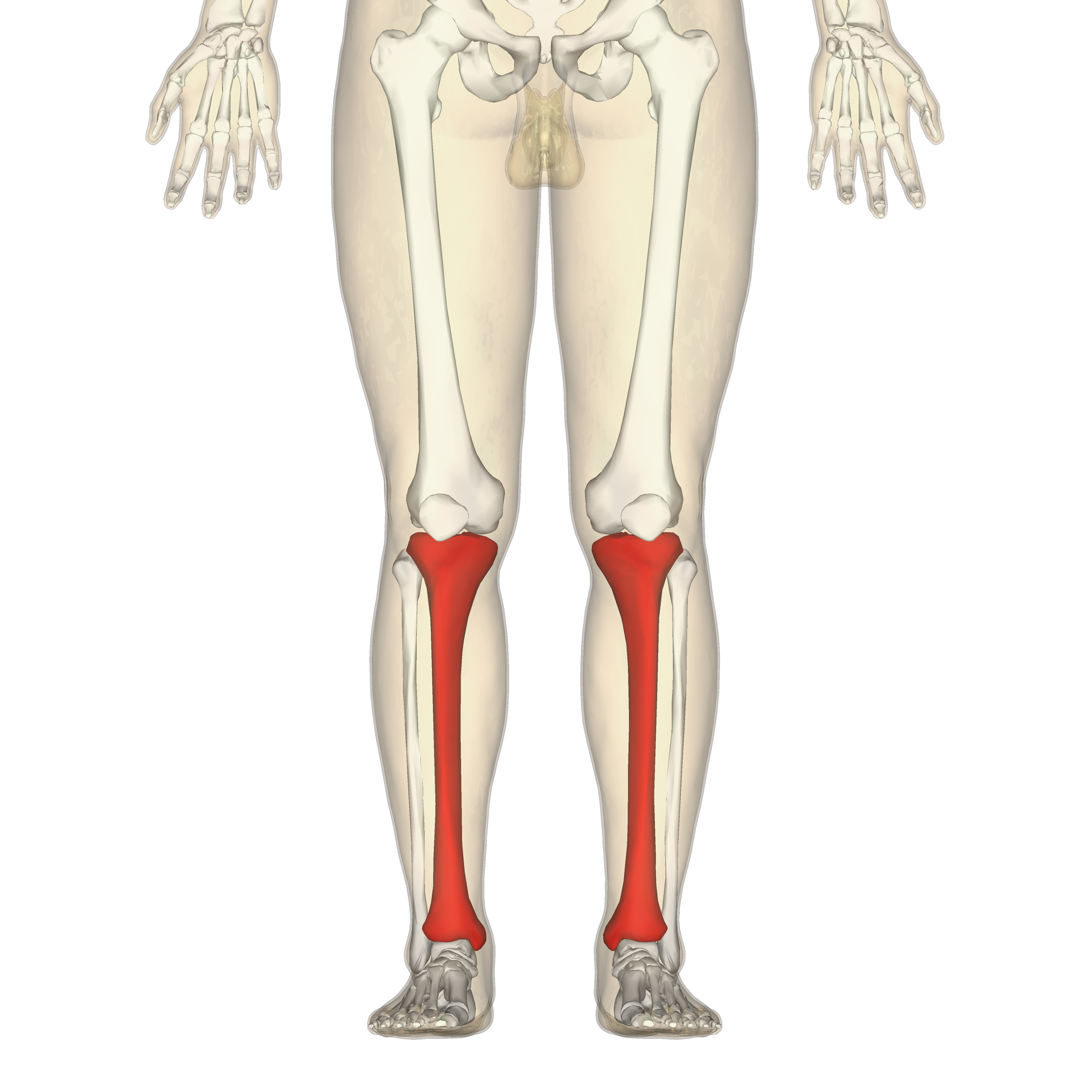
tibia
noun
The tibia is the larger of the two bones. It supports most of your weight and is an important part of both the knee joint and ankle joint. The tibia is the larger bone in your lower leg. Tibial shaft fractures occur along the length of the bone.
Example: Fractures involving the TIBIA and fibula are the most common lower extremity paediatric fractures. The TIBIA is the second longest bone of the skeleton, located at the medial side of the leg.
en: Tibia
toe
noun
Your toes are to your feet what your fingers are to your hands. They're the five digits you have on each foot
Example: In addition they also described the increasing importance of echocardiography, in particular TOE which is much more sensitive and specific than transthoracic echocardiography (TTE) at detecting vegetations less than 10 mm in diameter.
en: Orteil
trachea
noun
The trachea is a tube-like structure within the neck and upper chest. It transports air to and from the lungs when a person breathes.
Example: TRACHEA central Clear vesicular breath sounds with equal expansion No chest wall deformities GI: Abdomen soft and non tender Resonant Percussion Bowel sounds normal No masses or organomegaly CNS GCS 15 15 Musculoskeletal Examination Examination of knee joints Look: The right knee appeared to be swollen when compared to the left knee.
en: Trachée
x-Ray
noun
X rays are electromagnetic radiation that differentially penetrates structures within the body and creates images of these structures on photographic film or a fluorescent screen. These images are called diagnostic x rays.
Example: When X-RAY hit the crystals of purified molecule, the rays are deflected by the atoms of molecules in diffraction patterns. The number of electrons in the atom determines the intensity of the scattering of X-RAYs.